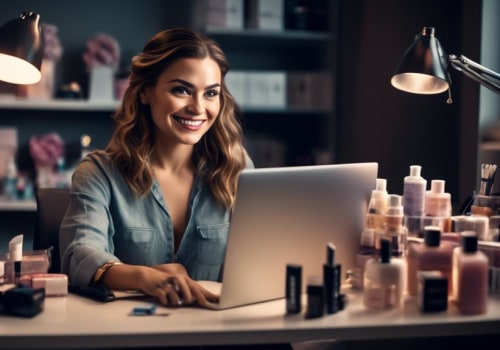
In the ever-evolving world of digital marketing for beauty brands, understanding the current landscape is crucial for success. The beauty industry has witnessed a significant transformation, driven by technological advancements and changing consumer behaviours. Today, a robust online presence is not just an option; it is a necessity. Brands that fail to adapt to the digital realm risk being overshadowed by competitors who leverage innovative marketing strategies and adhere to content quality assurance protocols to engage their audience. As consumers increasingly turn to online platforms for beauty advice, product reviews, and purchasing decisions, staying abreast of is not just an option; it is a necessity. Brands that fail to adapt to the digital realm risk being overshadowed by competitors who leverage innovative marketing strategies and adhere to content quality assurance protocols to engage their audience. As consumers increasingly turn to online platforms for beauty advice, product reviews, and purchasing decisions, staying abreast of beauty industry trends becomes paramount.
Social media platforms, influencer collaborations, and targeted advertising are just a few of the tools available to beauty brands aiming to carve out their niche in a crowded market. By harnessing these digital channels effectively, brands can create meaningful connections with their customers, fostering loyalty and driving sales. Moreover, understanding the nuances of digital marketing allows beauty brands to tailor their messaging and offerings to meet the specific needs of their target audience. This not only enhances brand visibility but also positions them as thought leaders within the industry. As we delve deeper into the strategies that can help beauty brands stand out from their competitors, it is essential to recognise that a well-executed digital marketing plan can be the key to unlocking unprecedented growth and success.Social media platforms, influencer collaborations, and targeted advertising are just a few of the tools available to beauty brands aiming to carve out their niche in a crowded market. By harnessing these digital channels effectively, brands can create meaningful connections with their customers, fostering loyalty and driving sales. Moreover, understanding the nuances of digital marketing allows beauty brands to tailor their messaging and offerings to meet the specific needs of their target audience. This not only enhances brand visibility but also positions them as thought leaders within the industry. As we delve deeper into the strategies that can help beauty brands stand out from their competitors, it is essential to recognise that a well-executed digital marketing plan can be the key to unlocking unprecedented growth and success.
Leveraging Social Media Platforms Effectively
In the competitive landscape of digital marketing for beauty brands, leveraging social media platforms effectively is crucial for standing out.Two of the most impactful platforms for beauty brands are Instagram and TikTok, each offering unique opportunities to engage with audiences and showcase products.
Instagram Strategies
Instagram remains a powerhouse for beauty brands, thanks to its visual nature. Here are some strategies to maximise your presence:- High-Quality Visual Content: Invest in professional photography and videography to create stunning visuals that highlight your products. Use natural lighting and aesthetically pleasing backgrounds to enhance appeal.
- Engaging Stories and Reels: Utilize Instagram Stories and Reels to share behind-the-scenes content, tutorials, or user-generated content. This not only humanises your brand but also encourages interaction.
- Influencer Collaborations: Partner with beauty influencers who resonate with your target audience.
Their authentic endorsements can significantly boost your brand's visibility and credibility.
- Interactive Features: Use polls, quizzes, and question stickers in Stories to engage followers actively. This fosters a sense of community and encourages feedback on products.
TikTok Beauty Trends
TikTok has rapidly become a vital platform for beauty brands, especially among younger demographics. To harness its potential:- Embrace Trends: Stay updated with the latest TikTok trends and challenges. Create content that aligns with these trends while showcasing your products creatively.
- Short, Engaging Videos: Focus on creating short, snappy videos that capture attention within the first few seconds.
Tutorials, transformations, or product reveals work exceptionally well.
- User-Generated Content: Encourage customers to share their experiences using your products through hashtags or challenges. This not only builds community but also provides authentic content for your brand.
- Authenticity is Key: TikTok users value authenticity over polished perfection. Show the real side of your brand, including imperfections and genuine customer interactions.
Creating Compelling Content that Resonates
In the competitive landscape of digital marketing for beauty brands, creating compelling content that resonates with your audience is essential. This involves not just promoting products, but also telling a story that connects emotionally with consumers.Storytelling in Beauty
Effective storytelling can transform a simple product into a narrative that captivates your audience.
By sharing the journey of your brand, the inspiration behind your products, or the experiences of real customers, you create a relatable context that encourages engagement. For instance, consider featuring customer testimonials or behind-the-scenes looks at product development. This not only builds trust but also fosters a community around your brand.
Content Marketing Strategies
- Blogs: Regularly updated blogs can provide valuable information about beauty trends, tips, and tutorials. This positions your brand as an authority in the beauty industry and helps improve SEO.
- Video Content: Video is one of the most engaging forms of content.
Tutorials, product demonstrations, and influencer collaborations can showcase your products in action, making them more appealing to potential customers.
- Social Media Posts: Use platforms like Instagram and TikTok to share visually stunning content that highlights your products. Short videos or reels can effectively capture attention and drive traffic to your website.
Video Content Strategies
Incorporating video into your content strategy is crucial for beauty brands. Consider creating:
- Tutorial Videos: Show how to use your products effectively, which can help demystify their application and encourage purchases.
- Live Streams: Engage with your audience in real-time by hosting Q&A sessions or live tutorials. This interaction can significantly enhance customer loyalty.
- User-Generated Content: Encourage customers to share their own videos using your products.
This not only provides authentic content but also builds a sense of community around your brand.
Utilising Influencer Collaborations to Boost Visibility
In the competitive landscape of digital marketing for beauty brands, leveraging influencer collaborations can significantly enhance brand visibility and credibility. By partnering with influencers who resonate with your target audience, beauty brands can tap into established trust and authenticity that these individuals have cultivated.Identifying the Right Influencers
- Focus on influencers whose values align with your brand ethos.
- Consider their engagement rates rather than just follower counts; a smaller, highly engaged audience can be more beneficial than a large but passive one.
- Utilise tools like social media analytics to assess potential partners' reach and impact.
Types of Collaborations
- Sponsored Posts: Create content that showcases your products in a natural setting, allowing influencers to share their genuine experiences.
- Brand Ambassadors: Establish long-term relationships with select influencers who can consistently represent your brand, fostering deeper connections with their audience.
- Giveaways and Contests: Collaborate on promotional events that encourage audience participation, increasing brand exposure and engagement.
Measuring Success
To ensure that your influencer marketing efforts are effective, it’s crucial to track key performance indicators (KPIs). Monitor metrics such as:
- Engagement rates on posts featuring your products.
- The increase in followers or website traffic during and after the campaign.
- Sales conversions attributed to influencer promotions.
Implementing SEO Best Practices for Online Discoverability
In the competitive landscape of digital marketing for beauty brands, implementing effective SEO best practices is crucial for enhancing online visibility and attracting potential customers.A well-optimised website not only improves search engine rankings but also enhances user experience, leading to higher conversion rates.
Keyword research
is the foundation of any successful SEO strategy. For beauty brands, identifying the right keywords involves understanding the specific terms and phrases that potential customers use when searching for products. Tools like Google Keyword Planner, SEMrush, and Ahrefs can help uncover high-volume keywords related to beauty products, such as "organic skincare" or "cruelty-free makeup." By focusing on long-tail keywords, brands can target niche markets and reduce competition.Once you have a list of relevant keywords, the next step is to implement on-page SEO techniques. This includes optimising title tags, meta descriptions, and header tags to incorporate your chosen keywords naturally.For instance, a product page for a moisturiser could have a title tag like "Hydrating Organic Moisturiser | Brand Name" and a meta description that highlights its key benefits while including target keywords.
- Content Quality: Create high-quality, informative content that addresses customer pain points and showcases your products. Blog posts, tutorials, and how-to guides can position your brand as an authority in the beauty industry.
- Image Optimisation: Since beauty brands rely heavily on visuals, ensure that all images are optimised with descriptive file names and alt text that includes relevant keywords.
- Internal Linking: Use internal links to guide users through your website and improve site structure. This not only helps with SEO but also keeps visitors engaged longer.
Personalising Customer Experiences through Data Analytics
In the competitive landscape of digital marketing for beauty brands, leveraging data analytics is essential for creating personalised customer experiences. By analysing consumer behaviour, preferences, and purchasing patterns, beauty brands can tailor their marketing strategies to resonate more deeply with their target audience.Data analytics
allows brands to segment their customers based on various criteria such as demographics, purchase history, and online interactions.This segmentation enables brands to develop targeted campaigns that speak directly to the needs and desires of specific groups. For instance, a brand might discover that a segment of its audience prefers eco-friendly products. Armed with this insight, they can create tailored content and promotions that highlight their sustainable offerings.Moreover, personalisation strategies can extend beyond just targeted advertising. Brands can utilise data to enhance the overall customer journey.
For example:
- Personalised Recommendations: By analysing past purchases and browsing behaviour, beauty brands can suggest products that align with individual preferences, increasing the likelihood of conversion.
- Email Marketing: Customised email campaigns that reflect a customer's previous interactions can significantly improve engagement rates. Sending tailored offers or product launches based on past purchases makes customers feel valued.
- Dynamic Website Content: Implementing algorithms that adjust website content based on user data can create a unique shopping experience for each visitor, showcasing products that are most relevant to them.
Embracing Sustainability and Ethical Marketing Practices
In recent years, the beauty industry has witnessed a significant shift towards sustainability, with consumers increasingly prioritising sustainable beauty brands that align with their values. This growing demand presents an opportunity for beauty brands to differentiate themselves through ethical marketing strategies that resonate with eco-conscious consumers.One effective approach is to transparently communicate the brand's commitment to sustainability.This can include sharing information about sourcing practices, production methods, and the environmental impact of products. By highlighting the use of eco-friendly products, brands can build trust and loyalty among consumers who are keen to support businesses that prioritise the planet.
- Utilise Sustainable Packaging: Opt for recyclable or biodegradable packaging materials to reduce waste and appeal to environmentally aware customers.
- Promote Cruelty-Free Practices: Ensure that products are not tested on animals and communicate this clearly in marketing materials.
- Engage in Community Initiatives: Partner with local organisations or participate in environmental campaigns to demonstrate a genuine commitment to sustainability.
- Educate Consumers: Provide valuable content that informs customers about the benefits of sustainable beauty practices and how they can make more eco-friendly choices.
Utilising Email Marketing to Build Customer Loyalty
In the competitive landscape of digital marketing for beauty brands, leveraging email marketing is a powerful strategy to foster customer loyalty and drive repeat purchases.By creating targeted and engaging email campaigns, beauty brands can maintain meaningful relationships with their customers.
Email marketing for beauty brands
should focus on personalisation and relevance. Segmenting your email list based on customer preferences, purchase history, and engagement levels allows you to tailor your messages effectively. For instance, sending personalised product recommendations or exclusive offers based on previous purchases can significantly enhance customer satisfaction.Effective Newsletter Campaigns
Regular newsletter campaigns are an excellent way to keep your audience informed and engaged. Here are some strategies to consider:- Exclusive Content: Share beauty tips, tutorials, or behind-the-scenes insights that resonate with your audience.
- Promotions and Discounts: Offer special discounts or early access to new products exclusively for your subscribers.
- User-Generated Content: Encourage customers to share their experiences with your products and feature them in your newsletters.
Consider the following tactics:
- Welcome Series: Create a series of welcome emails for new subscribers that introduce them to your brand and highlight best-selling products.
- Loyalty Programs: Promote loyalty programs through email, rewarding customers for repeat purchases and referrals.
- Feedback Requests: After a purchase, send follow-up emails asking for feedback or reviews, showing customers that their opinions matter.
Conclusion: Key Takeaways for Beauty Brands in Digital Marketing
In conclusion, the beauty industry is increasingly competitive, and digital marketing for beauty brands has become essential for standing out. By implementing innovative strategies, brands can effectively engage their target audience and differentiate themselves from competitors. Here are the key takeaways:- Embrace Authenticity: Consumers are drawn to brands that showcase genuine stories and values. Highlighting real customer experiences and behind-the-scenes content can foster trust and loyalty.
- Leverage Social Media: Platforms like Instagram and TikTok are vital for beauty brands.
Creating visually appealing content, engaging with followers, and collaborating with influencers can significantly enhance brand visibility.
- Utilise Data Analytics: Understanding customer behaviour through data analytics allows brands to tailor their marketing strategies effectively. This insight can inform product development, promotional campaigns, and customer engagement tactics.
- Focus on Personalisation: Personalised marketing efforts, such as targeted email campaigns and customised product recommendations, can improve customer satisfaction and retention.
- Invest in SEO: Optimising website content for search engines ensures that beauty brands remain visible to potential customers. This includes using relevant keywords, creating high-quality content, and improving site performance.